
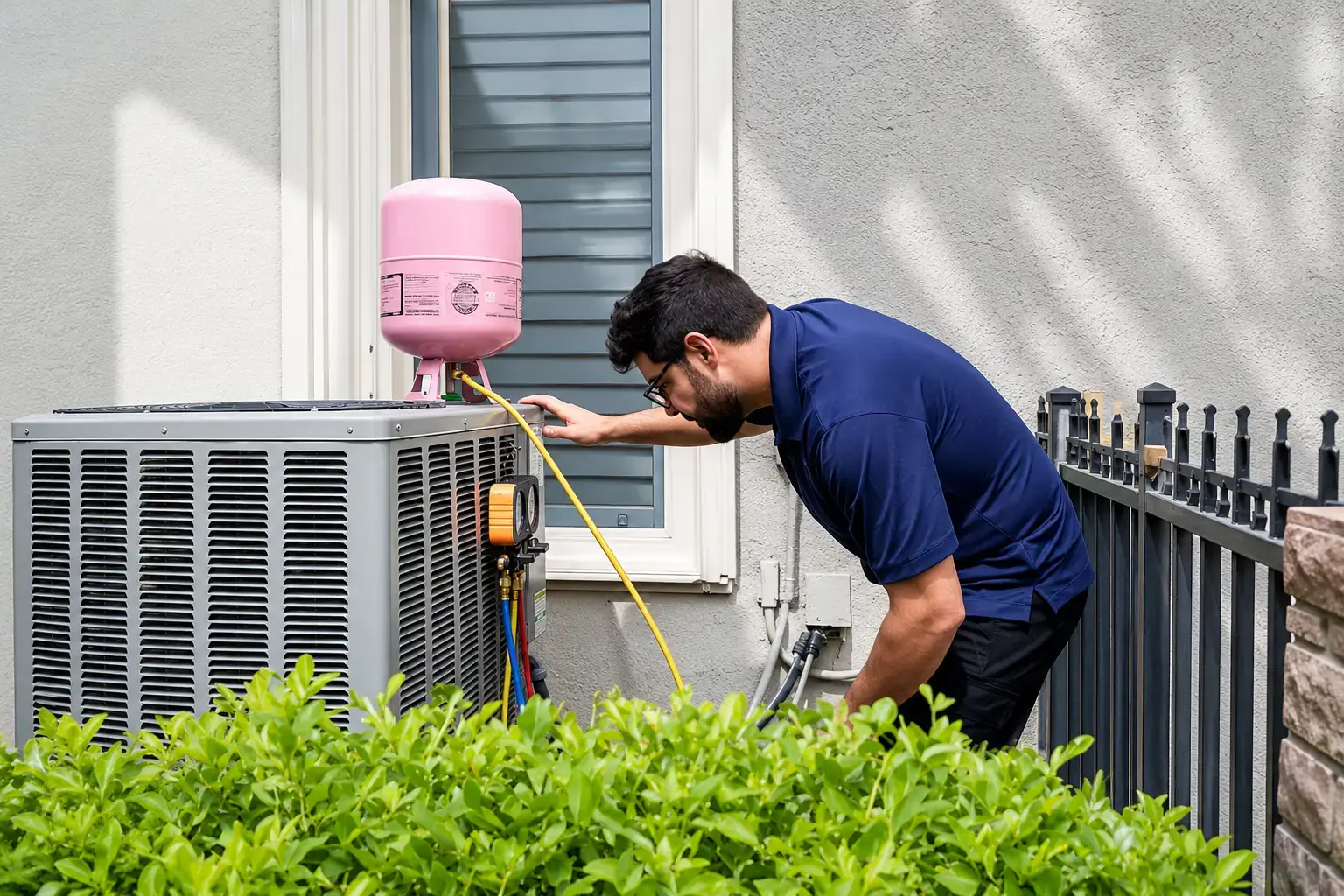
One AC quote runs thousands more than another because the company writing it carries a different cost structure. Same brand, same tonnage, same SEER2 rating, and the two quotes still land $4,000 apart.
That gap shows up on most quotes. The equipment is roughly the same wholesale price across the industry, so the price of an AC replacement mostly tracks the cost structure of the company writing the quote. Different companies operate differently, carry different overhead, and price accordingly.
Six factors push a quote up. Two more move it around depending on when you ask. And at the very bottom of the range sit operators who aren't licensed at all.
What pushes an AC quote up
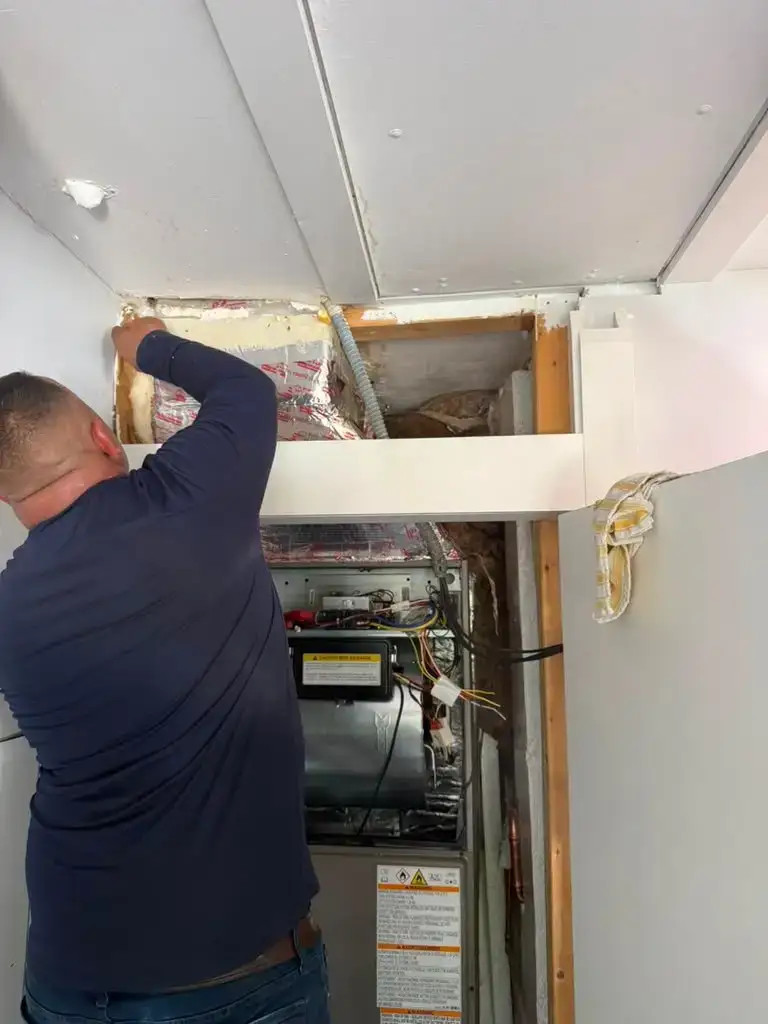
What pushes an AC quote up is mostly how a company is built to operate. That's the biggest piece of the spread.
Operating hours. A company that runs after-hours and weekend shifts as standard practice carries higher labor cost. Weekend and after-hours pay is real, and the customer pays for it whether they used after-hours service or not.
Finance company fees. When a contractor offers 0% financing for 60 or 84 months, the financing isn't actually free. The contractor pays the financing company a fee, often 15-20% of the contract value, and that fee gets passed to the customer as a higher quoted price. Customers who don't take the financing still pay the fee, because the price is the same either way. Liberty offers financing too, just uses moderate plans rather than the most aggressive options.
Sales commissions. Some companies pay their sales reps 10% or more of the contract value. That commission gets baked into the price the customer sees. A commission-heavy company isn't worse than a commission-light one, they just need more revenue per job to cover the same install. Liberty pays modest commissions, similar to most owner-operated shops. Some big-box and franchise operations pay a lot more.
Marketing budget. Big advertising spend goes into the cost of doing business. Companies trying to grow fast often outspend their margin and recoup it on the install price.
Management overhead. Multi-location companies carry layers of regional managers, dispatchers, and corporate staff. Owner-operated shops don't.
Capital structure. Companies that have taken on debt to fund growth need to service that debt. The interest payments come out of the install price.
All six push the price in the same direction.
What varies in AC pricing by circumstance
Two more factors vary AC pricing by circumstance. They move quotes around but don't push consistently in either direction.
Manufacturer pricing. Contractors don't all pay the same wholesale price for the same brand. Volume relationships drive a real piece of the cost. A company that buys a lot of Trane gets a better Trane price. This actually cuts in favor of bigger national companies sometimes. Their volume moves enough product that they get manufacturer pricing a small shop can't match. The reverse is also true. If you specifically want a brand the local contractor doesn't move much of, the quote shows that. Volume matters in distributor pricing.
How busy the company is. When a contractor's install crews are slow, the contractor will sharpen pencils to keep them busy. When the crews are booked solid for two weeks, the contractor has less reason to stretch on price. The quote you get can depend on what week you ask. This is also why off-season installs sometimes make a lot of sense. Spring and fall, most contractors are slow. You can find a deal that wouldn't be there in July.
These two tend to wash out. They explain why the same contractor might quote a different price this month than they quoted your neighbor last month.
What's not on the invoice
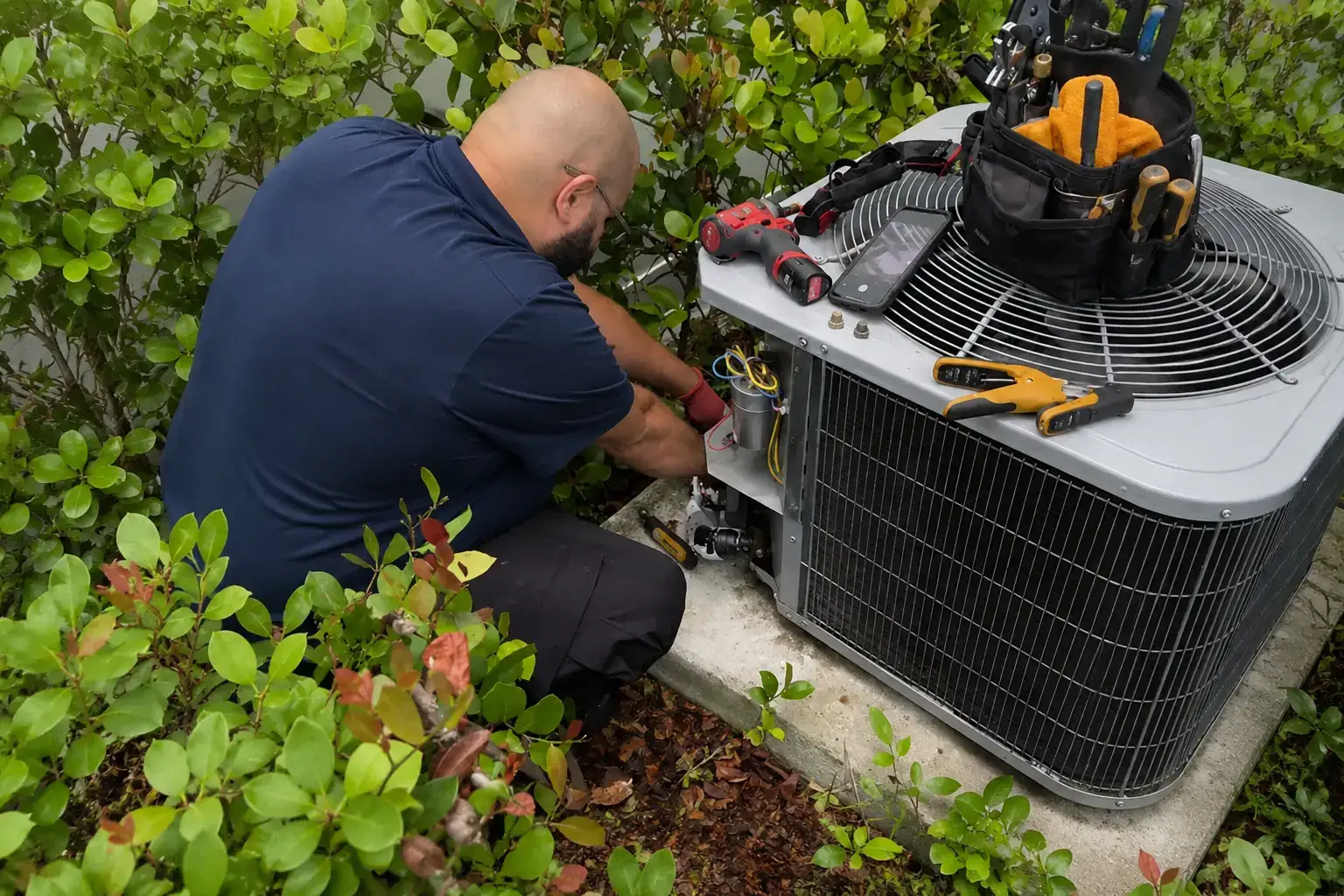
The same equipment doesn't always come with the same install. Two quotes for the same condenser and air handler can include very different scopes underneath. Some contractors redo the doghouse on a package unit replacement. Others reuse the existing one even when it's questionable. Some include duct corrections when the existing ducts are obviously holding the system back. Others quote the box and bill the duct work separately mid-install. Some include a surge protector and proper electrical disconnect. Others don't.
Most of the time the cheaper quote is cheaper because the scope is narrower. The work that doesn't show up on the invoice doesn't get done.
This is where homeowners get burned. The lower quote turns into the same final number once the change orders start. Or worse, the work just doesn't get done and the homeowner doesn't find out for two summers.
When a quote looks too cheap to be real
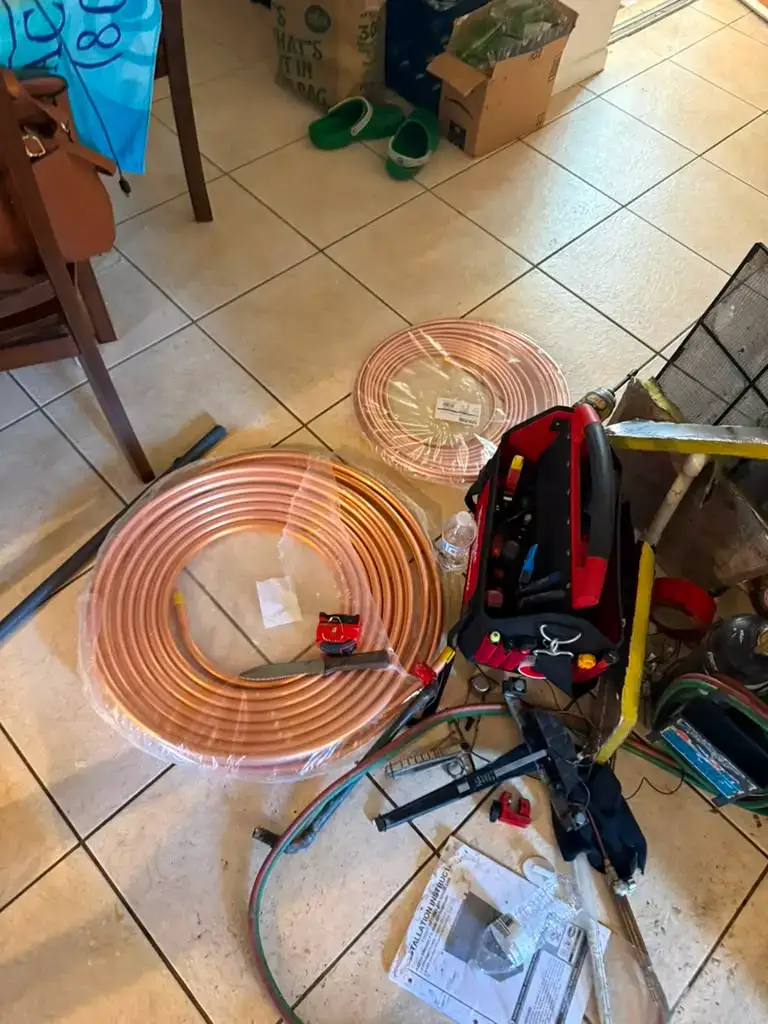
When a quote looks too cheap to be real, an unlicensed operator is often behind it. Florida has a higher concentration of unlicensed operators than most states. A long history of hurricane-driven demand spikes, gig-economy contractor platforms, and enforcement that hasn't kept up with the volume all feed it.
At the very bottom of the price range sit the operators with no AC license, no insurance, or both.
Their quotes look great because they aren't paying for what licensed contractors pay for. A licensed shop covers license fees, insurance premiums and workers' comp, plus permit costs, continuing education and bond requirements. None of that shows up in an unlicensed operator's overhead because none of it exists.
An uninsured contractor who damages a home isn't going to make it right out of pocket. An unlicensed install can void the equipment warranty and create code violations that surface at the next home sale or insurance claim. The deal ends up costing more than a properly licensed install would have, sometimes a lot more.
How to check. Ask for the contractor's license number. Ask if they pull permits on the job. Ask for proof of insurance. Real contractors carry all three and have no problem documenting them.
The permit question is the fastest tell. We pull one on every changeout, because a system swap is permitted work under the Florida Building Code. The permit and the inspection cost money and add a few days, and that shows up in a legitimate quote. A price that skips them just moves the cost to whoever sells the house next.
Where Liberty sits, and how to read your own quotes
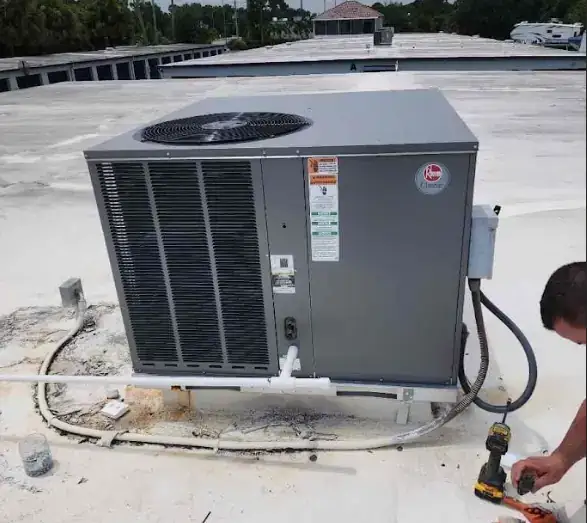
Liberty Air and Electric is a Florida-based shop that runs lean. We're owner-led, we pay modest sales commissions, and we offer moderate financing options. There's no debt to service and no aggressive marketing budget. That cut overhead is what puts our pricing below the middle of the legitimate range, and we're not cutting corners to get there. The work still has to be right or nobody comes back, and most of our work is repeat business or referrals from past customers.
When you compare your own quotes, three things to check.
Compare scope, not just price. Ask each contractor what's included. Ask specifically about things that often get left out. Doghouse condition. Duct corrections. Electrical disconnect and surge protection. Refrigerant line set verification.
Ask for the cash price. If a contractor is pushing aggressive financing you don't need, ask what the cash price would be. Has to be cash specifically. Credit card runs through the same processor fee structure as the financing and won't get the discount. The cash price is often meaningfully lower than the quoted price, because the financing fee comes out of the markup. Simple way to avoid paying for financing you weren't going to use anyway.
Check license and insurance. Not optional, and it takes about a minute. Our license is public record, and so is every other Florida contractor's. Search by name or by license number in the state's DBPR license lookup. Real contractors document both without hesitation.
The right quote is the one where the scope matches what your home actually needs and the company writing it is set up to deliver on what they promised.
AC Quote FAQs
What Homeowners Ask About AC Quotes
Q: Why are AC installation quotes so different for the same system?
A: AC quotes for the same system come out thousands apart because companies carry different cost structures, not different equipment. The equipment is roughly the same wholesale price across the industry, so the spread comes from operating hours, financing fees, sales commissions, marketing budget, management overhead, and capital structure.
Q: Does 0% AC financing actually cost anything?
A: Zero-percent AC financing isn't actually free. The contractor pays the financing company a fee, often 15 to 20 percent of the contract value, and that fee gets built into the quoted price whether you take the financing or not. Ask for the cash price to avoid paying for financing you weren't going to use.
Q: Why is one AC quote so much cheaper than the others?
A: One AC quote is often cheaper than the others because the scope is narrower, not because the contractor is more efficient. The same equipment can come with very different install scopes, and work that doesn't show up on the invoice (duct corrections, a surge protector, a proper electrical disconnect) doesn't get done.
Q: Is the cheapest AC quote a good deal?
A: The cheapest AC quote often isn't a good deal. At the very bottom of the price range sit unlicensed and uninsured operators, more common in Florida than most states, whose quotes look great until something goes wrong. An unlicensed install can void the equipment warranty and create code violations that surface at the next home sale.
Q: How do I compare AC quotes fairly?
A: To compare AC quotes fairly, check the scope item by item, ask each contractor for the cash price (financing fees often add 15 to 20 percent), and verify license and insurance. The right quote is the one where the scope matches what your home needs and the company is set up to deliver on it.
Q: Is it cheaper to install AC in the off-season?
A: Installing AC in the off-season is often cheaper. Spring and fall are when most contractors are slow, so they sharpen pencils to keep their install crews busy. A booked-solid contractor in July has less reason to stretch on price.