

AC Replacement in Florida with Options for Every Budget
AC nearing the end? Liberty Air and Electric tells you whether to repair or replace, and the real cost of each. No pressure either way.
- Free estimates for new AC systems
- Flexible financing available
- Licensed for HVAC and electrical work

What to Expect From Your AC Replacement Estimate
Liberty Air and Electric estimates a replacement on how the whole system performs, down to the ductwork and the electrical.
Before recommending equipment, we look at how the existing system has actually been performing, the comfort issues that prompted the call, and what the install will involve. You should walk away knowing what system you're getting, why it fits your home, and what's included before you approve anything.
We assess your current system
Was it sized right? Are the ducts and electrical in good shape? What's unique about this setup? If you hire us, we want a smooth install that cools as well in the 10th summer as it does the first.
We listen
It's your AC, so we want your input. What matters to you? Brand? Budget? Noise? Efficiency? An HOA we'll need to work with? And if you're not sure, two decades of field experience helps fill in the gaps.
Custom quotes, clear options
You get your quotes and options in writing. Model numbers, brands, add-ons like UV lights or Wi-Fi thermostats. Guaranteed and transparent prices, emailed to you.
If you're adding cooling to a space that doesn't already have central AC, building out an addition, or changing the system layout, that's closer to a scratch AC installation than a standard replacement.
Schedule your free estimate with the trusted, local pros at Liberty Air and Electric.
- Solutions for all budgets
- Flexible financing
- Extended warranties available
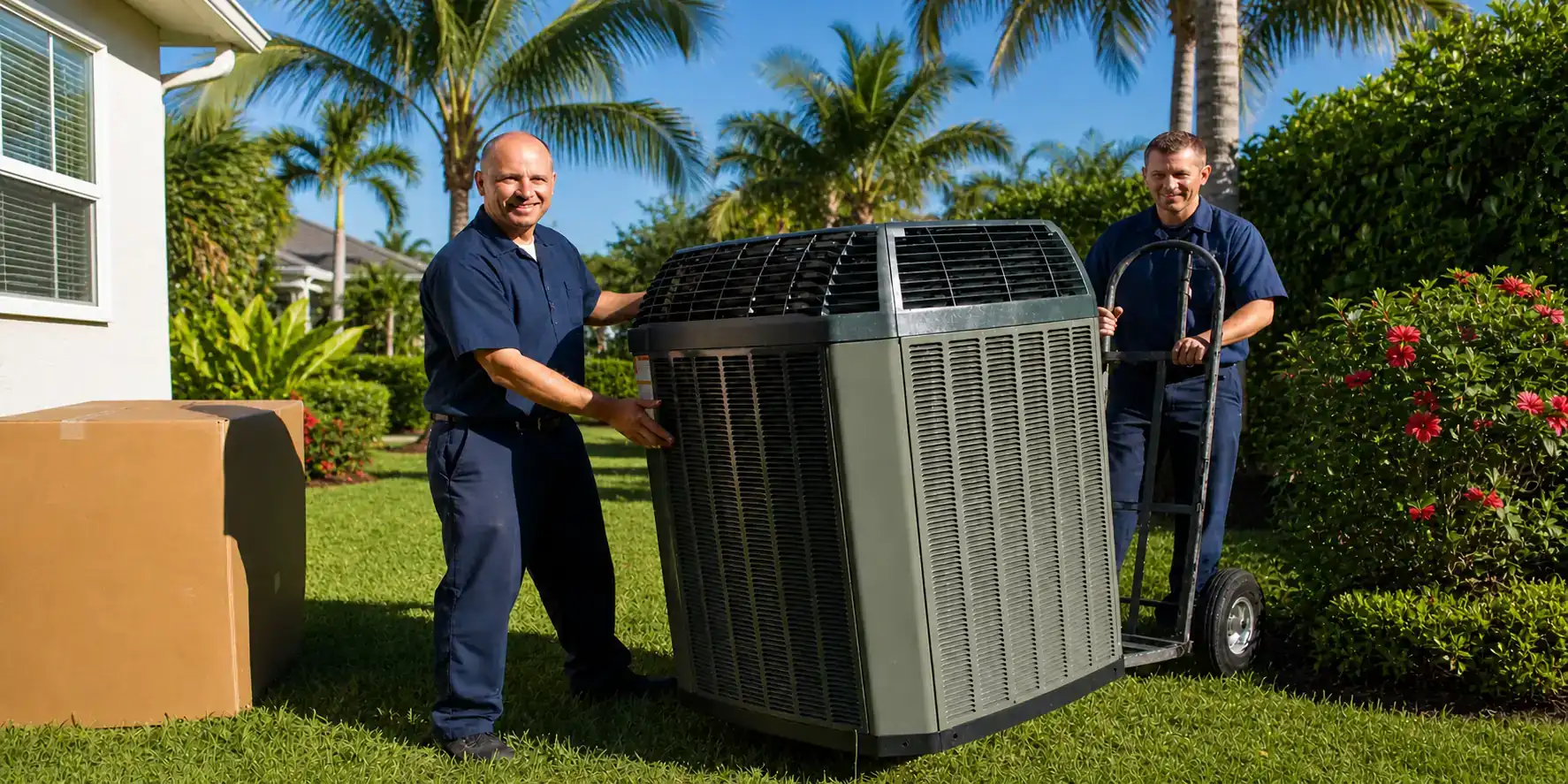
A rising repair quote is the most common reason homeowners weigh replacement, and Liberty Air and Electric lays both numbers out straight.
A smaller fix usually still makes sense if the system is newer, the failed part is isolated, and the rest of the equipment is in good condition. If a standard repair is the better move, we'll say so. Replacement is the right answer on a smaller share of calls.
Replacement becomes worth a serious look when the system is older (10+ years on most residential equipment), leaking refrigerant repeatedly, breaking down again and again, or facing a compressor or evaporator coil repair. Those are the major-component failures that move the math.
The "$5,000 rule" is a useful starting point. Multiply the repair cost by the age of the system. If the number is over $5,000, replacement is worth comparing. It isn't the whole decision on whether to repair or replace an AC, but it's a fast way to think about the tradeoff. Refrigerant type matters too. Older R-22 systems (mostly pre-2010) are nearly impossible to recharge economically because R-22 is no longer manufactured. Even R-410A refrigerant cost is trending up as supply tightens.
If replacement makes more sense, we'll walk you through the system choices, warranty, financing, and install plan in the same visit. No multi-appointment runaround.
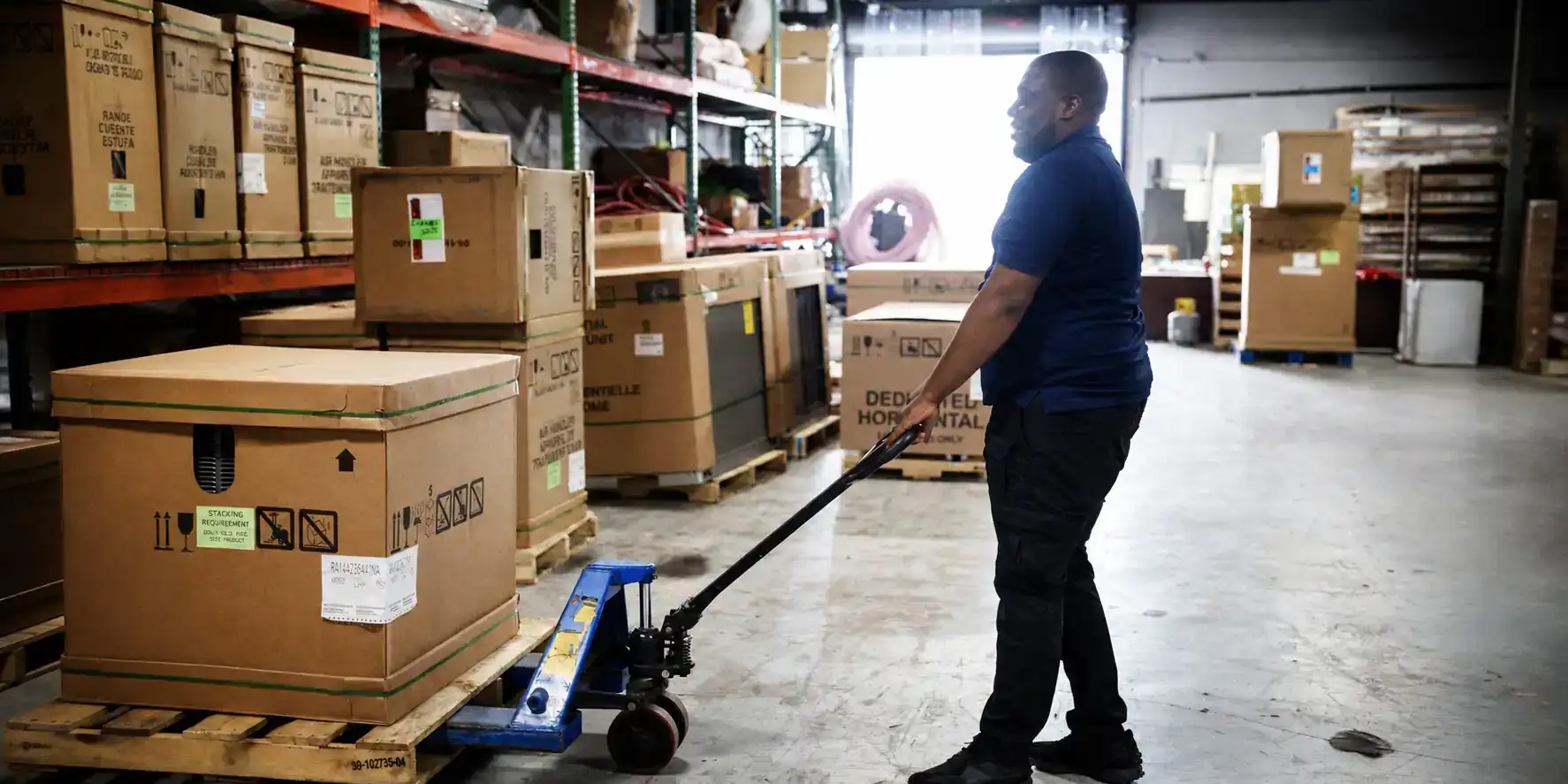
AC replacement pricing depends on system type, efficiency, brand, access, permit requirements, warranty options, and whether the job needs duct corrections or electrical changes.
The ranges below are real Florida numbers for standard residential changeouts where the existing electrical can support the new system without major modifications. If the duct system or electrical scope changes, the price moves with it because those items are highly specific to the home.
Common AC Replacement Price Ranges
| System Type | Typical Installed Range | What This Usually Means |
|---|---|---|
| Standard straight cool system | $5,000 to $8,500 | Single-stage equipment for straightforward changeouts. No major ductwork or electrical changes. |
| Standard heat pump system | About $500 more than straight cool | Similar equipment level, but with heat pump capability for cooling and heating. |
| Upgraded | $6,500 to $11,000 | Usually a premium-brand single-stage system or a standard-brand two-stage system. |
| Premium | $8,500 to $20,000 | Higher-efficiency, premium-brand, variable-speed, inverter, or more complex system options. The range is wide because the equipment and installation scope vary a lot. |
What Each Tier Actually Means
What Counts as a Standard System?
A standard system usually means a straightforward residential split-system changeout. The new condenser and air handler are similar in size and setup to the old equipment. The ductwork and electrical are usable as-is. Access is reasonable. The job doesn't require major design changes.
That's the kind of project where the lower and middle ranges above land closest to reality.
What Counts as an Upgraded Option?
Upgraded usually means one of two things: a premium-brand single-stage system, or a standard-brand two-stage system.
That level can fit when you want better comfort, warranty, or equipment quality without jumping all the way into high-efficiency variable-speed pricing.
Why Premium Pricing Has Such a Wide Range
Premium systems get expensive because the equipment is more advanced and the install can be more involved. Top-tier brands, inverter-driven equipment, variable-speed systems, communicating controls, and high-efficiency matchups can all push price higher.
That doesn't mean every home needs that level of system. The top end exists for homeowners who want the added comfort, efficiency, and feature set, and where the home can actually support it.
What These Ranges Don't Include
The ranges above assume no major ductwork or electrical modifications. Those changes are too case-specific to price accurately in a simple table. A small disconnect or breaker correction is one thing. A panel issue, major duct redesign, return-air correction, or damaged duct system is a very different scope.
That's why Liberty Air and Electric offers free estimates for new systems. We look at the home, the existing equipment, the ductwork, the electrical setup, and your comfort goals before quoting a real number.
Extra Install Factors That Can Move the Price
Some homes are simply harder to install in than others. Tight attics, drop ceilings, rooftop units, crane work, long equipment carries, difficult air handler access, and unusual closet setups can add labor and equipment-handling cost. Difficult access commonly adds $500 to $2,000 depending on the job.
Permits also vary by jurisdiction. The permit fee itself is usually a smaller part of the job. The bigger cost shows up when the replacement changes system size or triggers additional load, duct, electrical, or code work.
All Florida AC replacements have to comply with the Florida Building Code. The mechanical and energy chapters cover sizing, install, and integration with existing systems. Permits and inspections are how the work gets checked against the code.
On the permit side, almost every Florida permit office wants an AHRI matched-pair certificate when the permit gets pulled. The cert proves the air handler and condenser were tested together as a matched system. No cert, no permit. That's why we install equipment that's been certified as a pair, not whatever's on the truck.
Miami-Dade and Broward sit in the FBC's High Velocity Hurricane Zone (HVHZ). Stricter rules across the install: hurricane-rated condenser pads, hurricane-rated tie-downs on outdoor units, and specific stand-height and anchor-leg spacing rules when the condenser is rooftop. Plus dedicated HVHZ inspection. Equipment in HVHZ has to meet a higher bar than the rest of Florida. We handle the added scope when the job lands in those counties.
The 2026 Refrigerant Change Catches a Lot of Homeowners Off Guard
New 2026 equipment almost always runs a different refrigerant than your old system. R-410A (the standard for residential AC for the last 20-plus years) was phased out for new equipment manufacturing in January 2025. Most major brands moved to R-454B. Daikin and most mini-split lines use R-32. Both are low-GWP refrigerants and the new standard.
The part most homeowners don't know:
- A new R-410A residential install generally can't be permitted in Florida under current rules. Manufacturing of new R-410A residential AC equipment was banned in January 2025, and the permitting framework that followed makes it very rare for a residential whole-system install to qualify. Narrow exceptions exist, but most residential jobs don't fit them.
- Be skeptical of "discount" offers on leftover R-410A inventory. The price might look great, but if the install can't be permitted, the homeowner is the one stuck. No permit means no inspection, no code coverage, and a real problem at the next sale or insurance claim. Ask any contractor offering R-410A equipment whether they're pulling a permit and how the install passes under current rules.
- A modern install is almost always R-454B or R-32. If a quote doesn't mention which refrigerant the system uses, ask. The answer should be straightforward, and it should match what's currently permittable.
- If the existing copper line set is being reused, the install needs proper flushing and verification before connecting new R-454B equipment. Don't let that step get skipped.
Want a real number for your home?
Free estimate. We'll inspect the existing equipment, ductwork, and electrical, then give you replacement options in plain English.
Choosing the Right AC System Size
Liberty Air and Electric sizes a replacement to the home's load, because bigger isn't automatically better.
An oversized AC cools the house too quickly without running long enough to remove humidity, leaving the home cool but sticky. An undersized AC runs all day and never catches up during Florida heat. Both come from sizing, and the equipment is fine.
A lot of replacements get sized by matching the old tonnage. Sometimes that's close enough, but plenty of times it isn't. The original sizing might have been wrong from day one, the duct system may have been the actual constraint, or the home may have been remodeled, re-insulated, or had its window package upgraded since the last system was sized.
A real load evaluation looks at:
- Home size and layout
- Insulation
- Windows and sun exposure
- Ductwork condition
- Return air
- Ceiling height
- Room-by-room comfort issues
- Existing equipment performance
Real load math has a name: ACCA's Manual J. It's the residential load calculation standard the trade is built around, and the basis Florida code references for sizing residential systems. Either we run Manual J, or we do a proper room-by-room evaluation that captures the same inputs. Same goal either way: size the system to the home, not to the label on the old condenser.
If your old system never cooled evenly, replacing it with the same-size equipment usually repeats the same problem. That's why airflow, ductwork, and system design get looked at during a replacement.
What SEER2 Means for Comfort in a Florida Home
SEER2 is the current efficiency rating for new AC systems. Higher SEER2 usually means the system cools the home using less electricity, assuming the install is right and the equipment matches the home.
The number itself comes from AHRI. They're the body that tests and certifies HVAC equipment ratings, including SEER2, EER2, and heating performance numbers. When two systems get compared on a quote sheet, the numbers being compared are AHRI-published. Not every "high efficiency" claim a homeowner sees online traces back to a real AHRI rating.
SEER2 doesn't cover everything. In Florida, the system also has to pull humidity out of the house, move enough air, run quiet, and hold the back rooms close to the front rooms. A high-efficiency system connected to poor ducts still leaves you with hot rooms. An oversized system cools the house quickly and shuts off before it removes enough moisture. A high SEER2 number won't fix either one. Comfort can also include air quality. If dust, odors, allergies, filtration, UV, or humidity are part of the picture, we'll walk through indoor air quality options during the estimate alongside the equipment conversation.
A standard single-stage system fits well when the home is already comfortable and the airflow is in good shape. Two-stage, variable-speed, and inverter systems are worth considering when you want better humidity control, quieter operation, longer run times, or fewer temperature swings.
We'll help you pick the system with the best mix of comfort, efficiency, warranty, and price for the home you actually live in. We ran the numbers on that tradeoff and published them, including where the step up stops paying for itself, in our breakdown of whether an energy efficient AC is worth it in Florida.
If you'd rather see your own numbers than read ours, the Florida AC savings calculator estimates the annual saving from a new system using a typical year of hourly weather for the station nearest your ZIP code, the efficiency of what you have now, and your own electric rate.
How Ductwork Limits a New AC System
A new condenser and air handler can only do so much if the duct system is fighting the equipment.
Crushed or undersized ducts raise static pressure and make the blower work harder. Ripped or disconnected ducts dump conditioned air into the attic or crawl space before it ever reaches the room. Poor return air makes the system noisy, inefficient, and uncomfortable. Florida ductwork ages faster than ductwork in cooler climates, and a 15-to-25-year-old flex installation that was tight on day one is often losing real air every cycle.
Before recommending a new system, we check whether the existing ductwork can support the equipment. If the ducts are in good shape, great. If they're part of the comfort problem, we'll explain what needs to be corrected and why before any equipment goes in.
Electrical Scope on an AC Replacement
Liberty Air and Electric matches the new system to the home's electrical setup: breaker, disconnect, wiring, panel capacity, grounding, surge protection, and code requirements.
Liberty Air and Electric is licensed for both HVAC and electrical work, which matters when a replacement involves more than a simple equipment swap. Higher-efficiency and inverter-based systems are more sensitive to weak or undersized electrical, and a bad install on the electrical side can underperform from day one even when the AC equipment itself is fine. We check the panel, the breaker, and the disconnect during the estimate.
How Liberty Air and Electric Replaces an AC System
Liberty Air and Electric keeps a replacement organized from the first estimate to the final test. You should know what system you're getting, why it fits your home, what it costs, and what happens on install day before any equipment shows up on a truck.
The team at Liberty Air and Electric looks at the existing system, comfort issues, ductwork, electrical setup, and installation requirements before recommending replacement options.
You schedule a free estimate
We look at your current system, ask what's been going wrong, and talk through comfort issues like hot rooms, long run times, humidity, noise, or high bills.
We inspect the existing setup
We check the outdoor unit, air handler, thermostat, ductwork, return air, drain line, electrical setup, and access. The goal is to avoid replacing equipment while missing the real comfort problem.
We give you options
You'll get clear replacement options with equipment, price, financing, warranty, and install scope explained in plain English.
We handle permits when required
Many full system replacements require permitting. We'll tell you what's needed before the work starts.
We install the system
Our team removes the old equipment, installs the new system, reconnects to the existing ductwork, electrical, and drain where appropriate, and sets up the thermostat.
We test the system before we leave
We check airflow, temperature split, drain safety, electrical readings, thermostat operation, and overall performance before calling the job done.
Why Homeowners Choose Liberty Air and Electric for AC Replacement
Replacing your AC is a bigger decision than fixing a failed part. You're choosing who plans the install and who stands behind it later.
Liberty Air and Electric is family owned, with no private equity or outside capital. We're licensed and insured for both HVAC and electrical, which matters when a replacement touches equipment, wiring, breakers, disconnects, permits, or code requirements.
Our techs average 7 years of field experience and go through ongoing factory and in-house training. We maintain direct distributor relationships with major brands, which helps with equipment availability, parts access, and warranty support after the install.
Licensed for HVAC and Electrical Work
Useful when a replacement involves more than a simple equipment swap. We identify HVAC and electrical issues early instead of surprising you mid-install.
Free New System Estimates
We inspect the existing system, ductwork, electrical setup, access, and comfort issues before giving you replacement options.
0 Down, 0% Financing With Approved Credit
Flexible payment options when replacement makes more sense than another major repair.
Direct Distributor Relationships
We work with major brands for equipment access, parts support, replacement options, and warranty coordination.
Financing and Payment Options
A new AC system isn't a small purchase. Liberty Air and Electric offers flexible payment options, including 0 down and 0% financing with approved credit, so you can talk price and equipment at the same visit.
We can show you monthly payment options during the estimate, so you can compare systems without guessing what the budget actually looks like.
Financing tends to help most when:
- The existing system is down
- The repair quote is high
- The system uses expensive refrigerant
- You want a better warranty
- You want to upgrade efficiency or comfort
- You need electrical or ductwork corrections with the replacement
AC Brands Liberty Installs and Replaces
Liberty Air and Electric installs and replaces systems from major AC brands. Our direct distributor relationships help with equipment availability, parts access, warranty support, and replacement options.
Common brands we work with include Rheem, Carrier, American Standard, Trane, York, and Daikin. Among those, the best AC brand matters less than the installer.
During the estimate, we'll help you compare what actually matters:
- System size
- Efficiency
- Straight cool vs heat pump
- Single-stage vs variable-speed
- Warranty
- Financing
- Availability
- Fit with your existing ductwork and electrical setup
The right system is the one that fits the home, the budget, and the comfort problem you're trying to solve.
New AC System Warranty Options
New AC systems include manufacturer parts warranties, and Liberty Air and Electric backs most installs with a 1-year workmanship warranty plus 10-year extended install warranty options as an upgrade. We register the equipment at install instead of leaving that step to the homeowner, because warranty registration affects what you actually get if something goes wrong.
If you want longer protection or want the install paired with a regular maintenance plan, we'll explain what's included, what isn't, and how each option affects the total project cost. Maintenance and warranty work better together. A documented service history makes warranty claims smoother, and the paperwork starts on install day.
Warranty terms depend on equipment, manufacturer rules, install details, and the warranty option selected. We review the warranty before you approve the job so you know what you're getting.
Replacing AC With a Heat Pump in Florida
In Florida, a lot of homeowners replace their old AC with a heat pump. A heat pump cools like a regular AC in summer and provides efficient heat in cooler weather, which covers most of a Florida winter.
If your home already has a heat pump, we can replace it with another heat pump. If you've got straight cool equipment, we'll explain whether a heat pump makes sense for your home, electrical setup, and budget.
If your issue is mainly with heating mode and the AC side is fine, see our heating repair service before assuming the whole system needs to be replaced. Most heating problems on Florida heat pumps are repairable, often same-day.
Liberty Air and Electric Service Area for AC Replacement
Liberty Air and Electric replaces AC systems across South Florida and Greater Orlando, with the deepest local resources in these areas:
What a Variable-Speed System Changes Besides Your Power Bill
The calculator runs the savings for your own house. The comfort side has to be measured, and it comes down to what happens when a compressor slows down and keeps running instead of shutting off. It changes the humidity, the noise, and how far a room drifts between cycles.
Humidity
In side-by-side lab testing, the same AC held indoor humidity at 50 to 52 percent on summer days when it ran in variable-speed mode, and 55 to 60 percent when it ran as an ordinary single-stage system. A Florida Solar Energy Center test house came out the same way, with the variable-capacity system holding daily humidity about seven points below a fixed-capacity unit. In your house the gap depends on the system being set up to run long and slow, and that comes down to the install.
Noise
Outdoor units get rated for sound under AHRI Standard 270, so the numbers on two spec sheets are on the same scale. Common variable-speed condensers are rated 51 to 59 decibels at their lowest speed, and common single-stage condensers are rated 70 to 75 decibels. At full speed a variable-speed unit is rated 58 to 75 decibels, about the same as a single-stage unit. The quiet number is the low-speed number, and low speed is where the unit spends most of its running hours. A drop of 15 decibels is roughly half as loud to the ear.
Temperature swing
A single-stage system has one speed. It runs flat out until the thermostat is satisfied, shuts off, and the room warms back up until the thermostat calls again. A variable-speed system matches its output to the load, meaning how much cooling the house needs at that moment, and it keeps running as long as the house needs more than its lowest speed puts out. So there is no off period for the room to drift through. Manufacturers state that holds the house within about half a degree of the setting. Liberty techs see that on the systems they install, and often tighter, a few tenths of a degree.
Questions?
Frequently Asked Questions About AC Replacement
Q: How do I know if I should replace my AC instead of repairing it?
A: Replace your AC instead of repairing it when the system is older, the repair is expensive, refrigerant leaks keep coming back, or the same unit keeps breaking down. If the repair is small and the system is otherwise healthy, repair is usually still the better move.
Q: Do you offer free estimates for new AC systems?
A: Yes. Liberty Air and Electric offers free estimates for new AC systems. We inspect the existing equipment, ductwork, electrical setup, and comfort issues before giving replacement options.
Q: Do you offer financing?
A: Yes. We offer flexible payment options, including 0 down and 0% financing with approved credit.
Q: How long does AC replacement take?
A: Most standard AC replacements take about one day. Timing depends on equipment type, access, ductwork, electrical scope, permitting, and inspection requirements.
Q: Do I need new ductwork with a new AC?
A: New ductwork isn't always required with a new AC. If the existing ducts are the right size, sealed well, and in good condition, they can usually be reused. If the ducts are crushed, leaking, undersized, or poorly designed, they'll hold the new system back, and the duct conversation becomes part of the replacement scope.
Q: Do you handle permits?
A: Yes. We handle permits when they're required and explain what's needed before the work starts.
Q: What brands do you install?
A: Liberty Air and Electric installs major AC brands, including Rheem, Carrier, American Standard, Trane, York, and Daikin. We recommend equipment based on the home, budget, availability, warranty, and comfort needs.
Q: Is a higher-efficiency AC always worth it?
A: A higher-efficiency AC isn't always worth it. Higher-efficiency systems can reduce energy use and improve comfort, but the best choice depends on how long you plan to stay in the home, your budget, your ductwork, and what comfort problems you're trying to fix.
Q: What about the new refrigerant on 2026 systems?
A: New residential AC equipment manufactured after January 2025 uses low-GWP refrigerants like R-454B (most major brands) or R-32 (Daikin and Mitsubishi mini-splits) instead of the older R-410A. The bigger thing for buyers in Florida is the permitting. Under the new rules, a new R-410A residential install generally can't be permitted. Narrow exceptions exist, but residential whole-system installs rarely qualify. If you're being offered a discount on a leftover R-410A system, ask how the install gets permitted under current rules before signing anything. No permit means no inspection and a real problem later.