

Thermostat Repair and Replacement in Florida
Thermostat blank, frozen, or ignoring you? Liberty Air and Electric sorts the stat from the system before anybody buys a part.
- Check your batteries and drain pan first
- T-stat or system, honest diagnosis
- Smart thermostats installed right

Six Things a Broken Thermostat Usually Turns Out to Be
Liberty Air and Electric replaces the thermostat on fewer than half of "broken thermostat" calls. The thermostat is the one part of the system you actually touch, so it's what everybody blames first. Most of these calls end without a new thermostat, and a good number end with nothing owed beyond the AC repair diagnostic.
Batteries, settings, and water in the drain pan cause more of these calls than a failed thermostat.
Dead batteries
The classic. Two AAs in most thermostats, and when they die the screen goes blank and the AC stops running. Fresh batteries first.
Wrong mode or setting
A thermostat bumped to Off or Heat looks broken, and so does a schedule that drops the set point at odd hours. Check the mode and the schedule first.
Nest saying 'No power to Rc'
A Nest throwing a no-power alert on the Rc wire is almost always a clogged drain line. The float switch in the drain pan opens the same circuit that powers the stat. Clear the drain and the alert goes away.
Blown low-voltage fuse
A small automotive-style fuse on the air handler's control board protects the 24-volt circuit feeding the thermostat. A shorted wire or a shorted contactor coil pops it, and the stat goes dark. The fuse costs a few dollars, but finding what popped it is the actual repair.
Humidistat set wrong
A humidistat is a second dial on the wall that can override the thermostat completely. Set wrong, it holds the AC off. Well over half the no-cool calls we run in humidistat homes end with a 30-second dial correction.
The thermostat actually died
It happens. Just not as often as dead batteries or a tripped float switch. New batteries, correct mode, power confirmed at the wires, and still nothing on the screen. That's a genuinely dead thermostat, and swapping one is about the simplest job in the trade.
If the Thermostat Really Is Dead, You Might Not Need Us
A like-for-like swap is 24-volt work. No shock danger, and plenty of homeowners handle it themselves. If you'd rather not, a handyman does it for less than any AC company will charge. Where you actually want an AC company is the tricky wiring. Heat pumps with an O/B wire, systems that need a C-wire pulled, and communicating equipment that only works with its own brand of control. For a plain swap, save your money.
Liberty Air and Electric sorts the stat from the system
- Free checks come before paid ones
- Humidistat and float switch tested first
- No new thermostat sold for an old drain clog
When the Thermostat Isn't the Problem
Liberty Air and Electric settles most thermostat calls with one check. Screen on, set temperature moves when you press the buttons, system running and the house still not cooling down? The thermostat is doing its job. Now you're looking at an AC that runs but doesn't cool.
A blank screen usually isn't the thermostat either. On systems that power the thermostat from the air handler, the float switch in the drain pan sits on that same 24-volt circuit, and a clogged AC drain line trips it. The stat goes dark or throws a no-power alert. Google's own Nest support pages list the E73 no-power code under hot-weather system issues. In Florida, a Nest throwing that Rc power alert in July is almost always a clogged drain line, not a failing thermostat.
Thermostat acting up and the house getting warm?
Book a visit. We'll run the free checks first, tell you if it was ever the thermostat, and quote anything bigger before we touch it.
The Humidistat, Florida's 30-Second No-Cool Fix
A lot of Florida homes have a humidistat on the wall next to the thermostat. It's a plain dial marked in percentages, and plenty of homeowners have never touched it or don't know what it does. Snowbird owners set it so the AC runs on humidity instead of temperature while they're gone, which keeps mold out without cooling an empty house all summer.
The catch is it's wired in series with the thermostat, so set wrong, it holds the whole system off no matter what the stat asks for. A guest bumps the dial, or an owner comes home for the season and forgets the thing is there. Well over half the no-cool calls we run in homes with a humidistat end the same way. We turn the dial to the right position, the system fires right up, and the visit is over in 30 seconds. When you're home, that dial goes on its On or bypass setting so the thermostat is in charge. Set it around 55 to 60 percent when you leave for the season.
If your home has one of these and the AC seems dead, check that dial before you call anyone. It costs nothing, and we'd rather you have that fix than pay us a trip charge for it.
Liberty Air and Electric checks where a thermostat is mounted before touching its calibration. The whole house cools to whatever that one wall reads. A sunny wall, a hallway that traps heat, the path of a supply vent. Any of those and the stat calibrates to the wrong number all day. Moving a thermostat means fishing new wire through finished walls, which is expensive, so we usually point people at a Wi-Fi thermostat with remote sensors instead. It averages the sensors, or follows the rooms you actually use. You're no longer stuck with whatever wall the builder picked. The ENERGY STAR smart thermostat program certifies the models that actually deliver savings, and the remote-sensor models are on it.
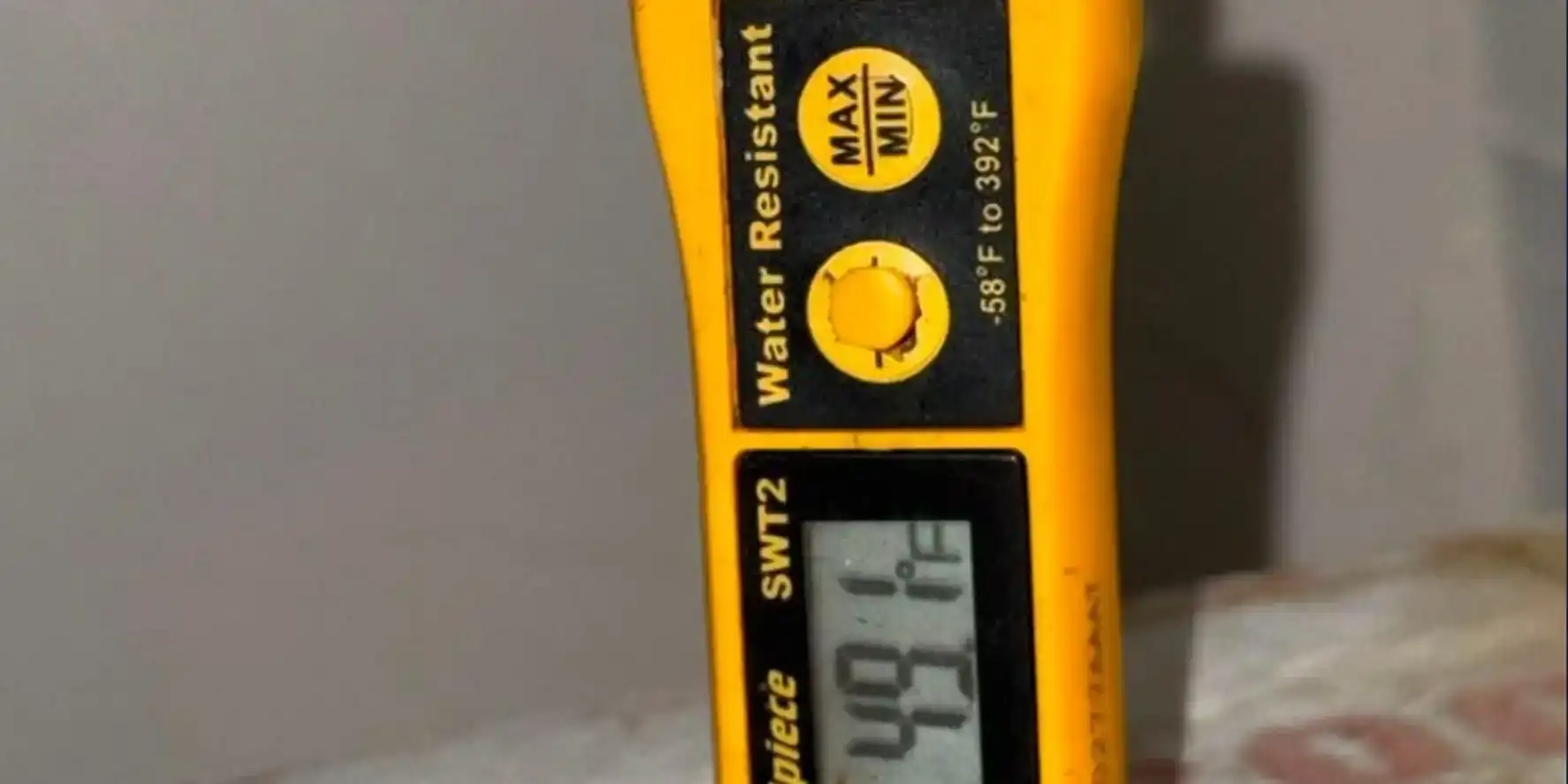
Two more things settle most "it feels a little off" complaints. One is calibration. Most thermostats have a temperature offset in the settings, and checking the stat against a good thermometer takes a few minutes. If the house feels close but never quite matches the number, that offset is usually why. The other is the wall itself. The hole where the thermostat wire comes through the drywall opens the stat to the wall cavity, and in a Florida home that cavity pulls hot attic air right onto the sensor. The house never settles where you set it. Sealing behind the thermostat fixes it. Five minutes and a dab of sealant. Liberty checks both on any visit where the house feels off and nothing is actually broken.
Questions?
Frequently Asked Questions About Thermostats and AC Control
Q: Why is my thermostat not working?
A: A thermostat that isn't working usually turns out to be something around it. Dead batteries and a mode switched to Off or Heat cover most of it. After that it's power. A tripped float switch on a clogged drain line, a blown low-voltage fuse, or a humidistat holding the system off. A thermostat that genuinely died is the minority outcome on that list. Run the free checks first, batteries and mode, before anyone talks about parts.
Q: Why is my thermostat screen blank?
A: A blank thermostat screen means the thermostat has no power. Dead batteries are the most common reason by a mile. On systems that power the stat from the air handler, a tripped float switch on a clogged drain line or a blown low-voltage fuse kills the screen the same way. Change the batteries first. If it stays dark, go look at the drain pan under the air handler.
Q: What does 'No power to Rc' mean on a Nest thermostat?
A: A 'No power to Rc' alert on a Nest, often with an E73 help code, means the wire feeding the thermostat cooling power has gone dead. In Florida that's almost always the float switch doing its job on a clogged condensate drain line, since the switch opens that same circuit. Clear the drain line and the alert goes away. The thermostat itself is usually fine.
Q: Can I replace my own thermostat?
A: You can replace your own thermostat if the swap is like-for-like and you're comfortable matching a handful of labeled wires. The circuit is 24 volts, so there's no shock danger like line-voltage work. Don't want to do it? A handyman handles it fine and costs less than an AC company. Where you genuinely want an HVAC tech is a heat pump, where a miswired O/B wire leaves the system heating when you call for cooling, or a communicating system that only takes its own brand of control.
Q: What should my humidistat be set to when I'm home?
A: A humidistat should be set so it never interrupts the thermostat while you're home, which on most Florida models means turning the dial to its On or bypass position. It matters when the house sits empty for months, set around 55 to 60 percent so the AC runs off the humidity reading. Set wrong, it holds the system off. It's the first thing we check in any home that has one.
Q: Why doesn't my room temperature match the thermostat setting?
A: A room that doesn't match the thermostat setting usually comes down to where the stat is mounted or what it's reading. A wall that runs warmer or cooler than the rest of the house has the thermostat running against the wrong number all day. Most thermostats have a temperature offset in the settings you can set against a good thermometer. And an unsealed wall cavity leaks attic air onto the sensor through the wire hole, which throws the reading off. Sealing behind the thermostat is a five-minute fix.
Q: Do smart thermostats need a C-wire?
A: Most smart thermostats want a C-wire, the common wire that gives them constant 24-volt power for their screens and Wi-Fi. Plenty of older Florida homes never had one pulled. Some stats work around it by power-stealing, which causes odd behavior on some systems, and most brands offer an adapter or power module instead. We sort the C-wire out as part of any smart thermostat installation.
Q: How much does thermostat replacement cost in Florida?
A: Thermostat replacement in Florida mostly runs $150 to $350 for a standard programmable model supplied and installed. Smart thermostat installations run $300 to $600, with the hardware driving most of that difference, and C-wire work adds to it when the wiring needs help. A thermostat diagnostic rides inside the standard $49 to $99 visit. More than half the time there is nothing to pay beyond the diagnostic, because the problem was batteries, a mode switch, or a humidistat.
Q: Where should a thermostat be located?
A: A thermostat should be located on an interior wall in a spot that mirrors the home's average temperature, away from supply vents, direct sun, lamps, and the kitchen. Moving one means running new wire through finished walls, which gets expensive fast. A Wi-Fi thermostat with remote sensors solves the same problem without opening drywall, since the system can average or follow the rooms you actually live in.